A Successful First Store Does Not Guarantee a Consistent Rollout
For a single jewelry boutique, developing a showcase that reflects the brand is already a coordinated design and manufacturing task. When a brand begins expanding its retail network, the challenge changes.
Store footprints differ. Flagship boutiques may carry different collections from smaller mall locations. Opening schedules may vary, and future stores may require different fixture quantities. The brand still needs a recognizable visual identity, but a rigid, identical fixture package may not suit every location.
What growing jewelry chains need is more than repeat orders. They need a sustainable jewelry display case standardization system.
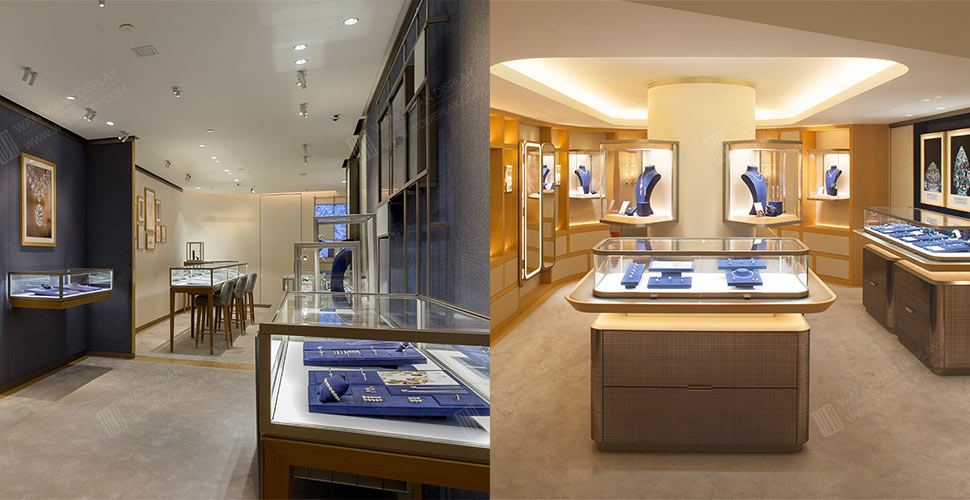
Define What Must Remain Consistent
A reliable store fixture standard begins by identifying the details that define the brand.
These may include overall proportions, signature design features, finish references, distinctive shapes, internal presentation methods, and selected accessories.
Such standards should be documented in approved technical drawings, finish samples, and product specifications rather than left only in visual renderings. Industry guidance for multi-location retail programs similarly emphasizes the importance of maintaining a shared reference across design and manufacturing teams. citeturn269322search2turn269322search3
Clear standards make repeat production easier to control.
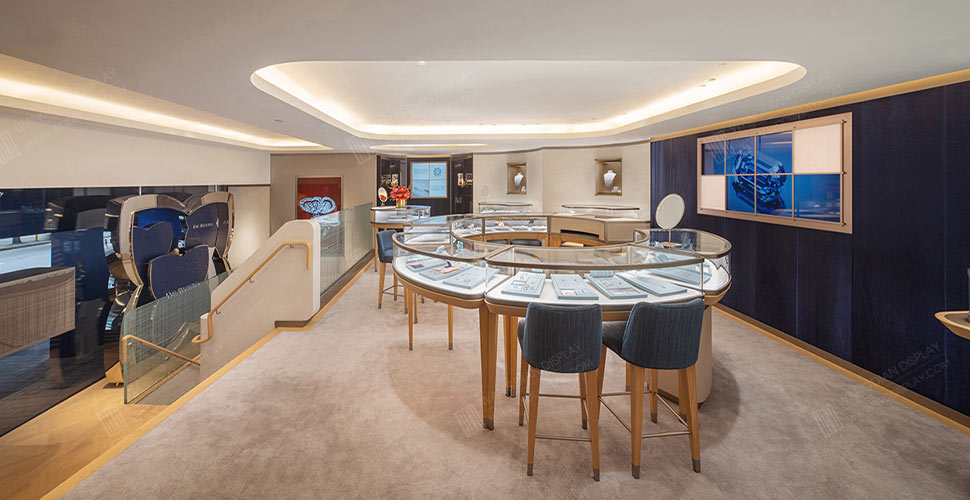
Consistency Does Not Mean Every Store Must Be Identical
Flagship stores, standard boutiques, and smaller retail locations often have different spatial requirements. A flagship may accommodate additional feature displays and brand experience areas. A compact store may need to prioritize core collections, customer consultations, and efficient use of floor space.
Using the same number and arrangement of cases everywhere may not be the best solution. A more practical approach is to develop a standardized family of showcase types that can be combined according to store size and merchandising needs. The core design language remains consistent, while quantities, selected dimensions, and configurations can be adapted.
Multi-location fixture programs increasingly distinguish between fixed brand standards and approved store-specific variations, allowing the same design system to work across different locations.
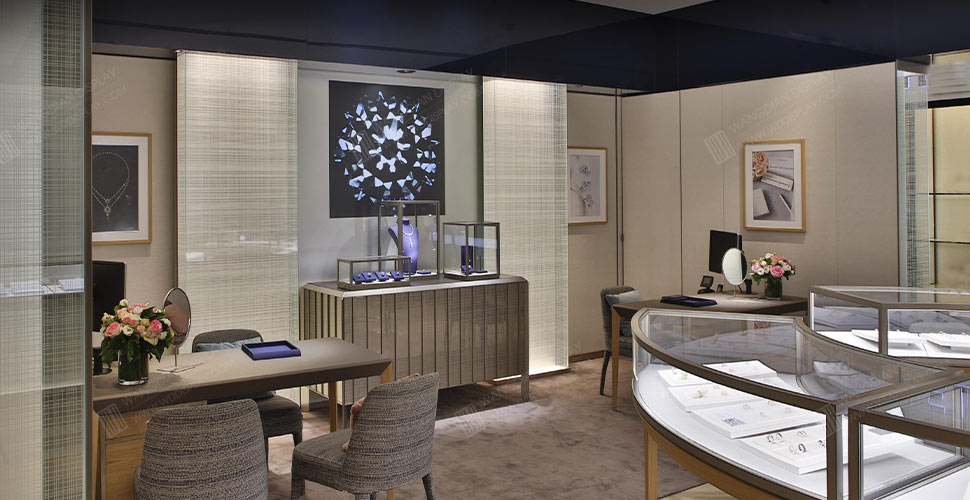
Use a Pilot Store to Validate the Standard
Before releasing a large production order, a prototype or pilot store can help verify whether the approved design works in practice.
The review should cover more than appearance. It should also consider proportions in the actual space, merchandise presentation, staff access, and how the different components fit together.
Any necessary adjustments can then be made before the same specification is repeated across multiple locations. For brands planning continued expansion, this is a useful way to identify issues early rather than correcting them after fixtures have been installed in several stores.
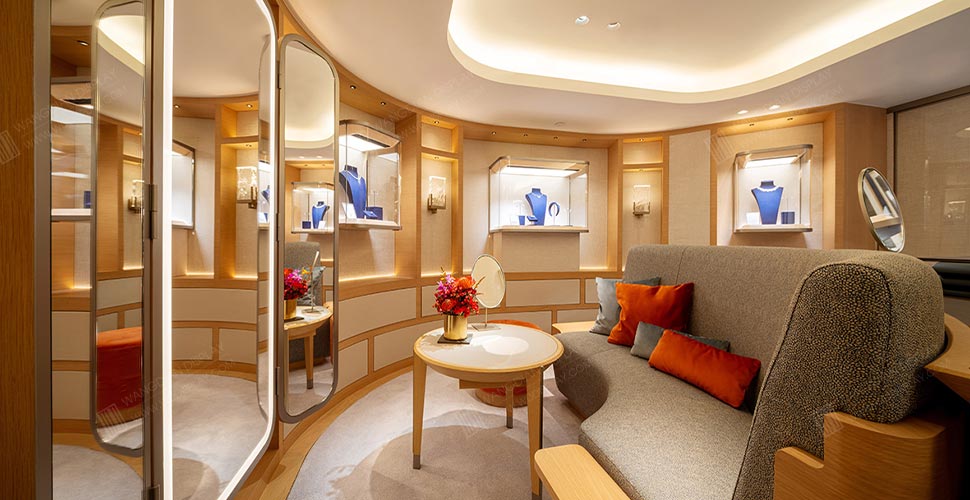
Long-Term Reorders Depend on Good Documentation
A jewelry chain's fixture requirements rarely end with its first order. New stores, renovations, and changing collections may require additional cases, replacement components, or modified configurations.
If the original project retains only presentation renderings without complete specifications, later production can introduce differences in color, detailing, dimensions, or compatibility.
Successful bulk jewelry showcase manufacturing therefore requires more than production capacity. It also depends on controlled specifications and reliable project documentation.
Choose a Manufacturing Partner for the Long Term
For international jewelry brands, the value of a supplier should not be measured only by the completion of one order.
The supplier should be able to understand brand standards, support repeat manufacturing, and preserve approved design requirements as the retail network grows.
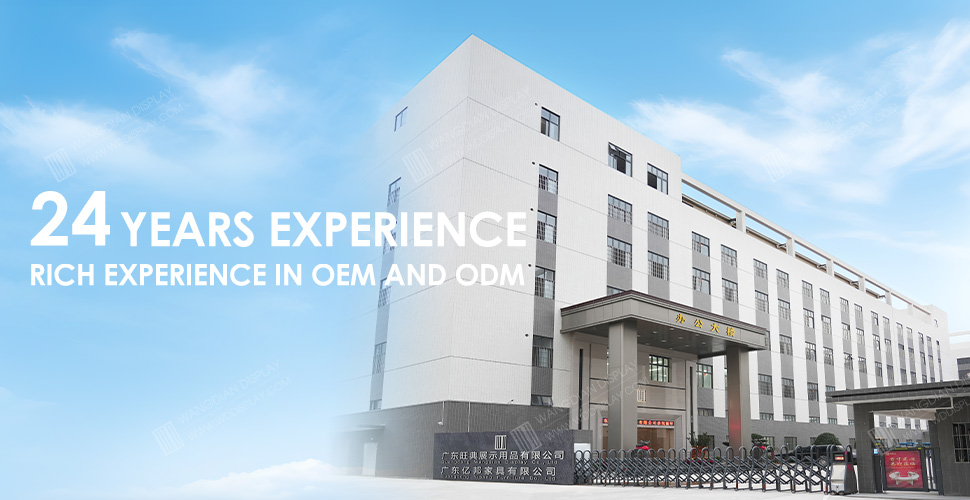
Founded in 2002, Wangdian Display operates a 32,000-square-meter production facility with dedicated design and R&D teams. The company provides OEM/ODM services and custom manufacturing based on client drawings and project requirements, serving jewelry, watch, perfume, and museum display projects across international markets.
Custom jewelry Showcases and manufacturing can support individual store requirements while also providing a foundation for a consistent showcase family across future locations.
For a growing jewelry chain, standardization should never mean removing individuality from every store. It means preserving the brand's defining qualities while allowing each location to present them appropriately.
+86 19195580698
info@wddisplay.com
+86 19195580698