A Showcase Is Used Many Times a Day
During the design stage, a jewelry showcase may appear close to perfect. Its proportions look balanced, the finish is refined, and the presentation matches the brand concept.
Once the store opens, however, the case becomes part of a daily routine. Staff open it, retrieve products, present pieces for fitting, reorganize trays, and clean the surfaces repeatedly. Details that seemed minor during design—door access, drawer placement, or staff working space—can gradually affect the efficiency of the store.
A commercial jewelry showcase should therefore be evaluated not only by how it looks in a rendering, but also by how well it supports real retail activity.
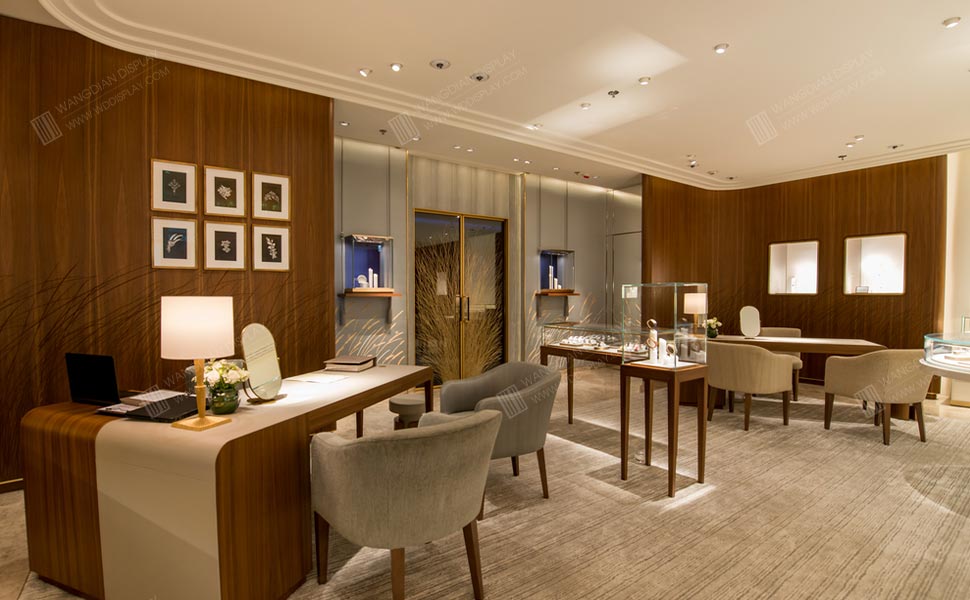
Customer Comfort and Staff Access Must Work Together
Jewelry retail often involves close interaction between customers and sales associates. Customers may want to compare pieces, examine settings, or try on jewelry with assistance. A case that is too deep can make products difficult to present. An awkward opening position can force staff to change their stance repeatedly. Insufficient room around the counter can make a consultation feel cramped.
These issues may not be obvious on opening day, but they become part of the daily experience. Good jewelry showcase design considers customer viewing, staff access, temporary product placement, and consultation as parts of one process. Commercial showcase guidance also emphasizes access systems and the relationship between fixtures and store layout.

Storage Matters More Than It First Appears
Retail work does not happen only on top of the glass counter. Presentation trays, packaging materials, cleaning supplies, and everyday accessories all need a place. Without adequate planning, these items can gradually accumulate on visible surfaces and undermine the appearance of the store.
That does not mean every case needs multiple drawers. The better approach is to understand which items staff need close at hand and which can remain in a separate back-of-house area. Storage should follow the workflow, not be added simply to fill available space.
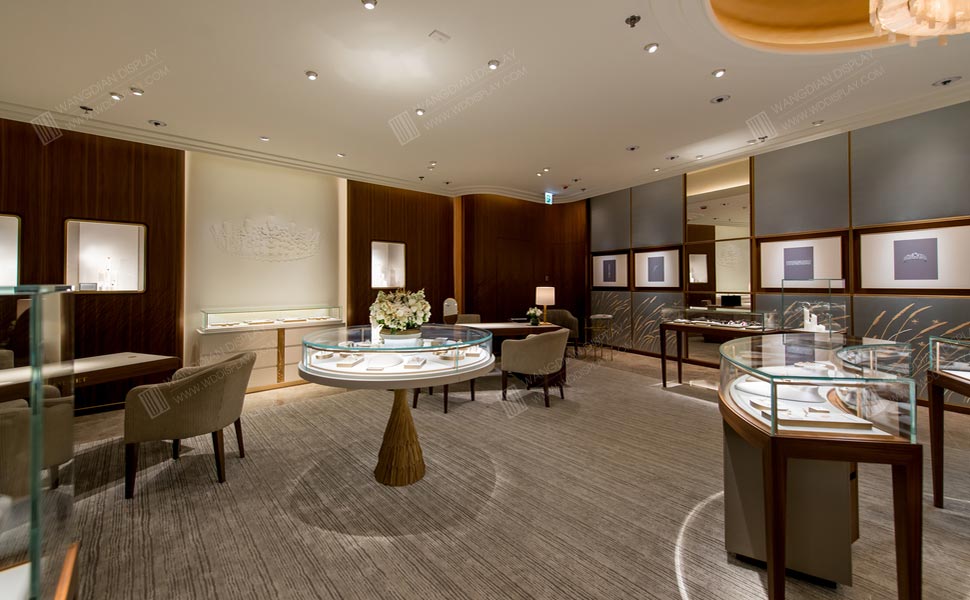
Maintenance Should Be Straightforward
Jewelry showcases need regular cleaning and may require occasional access to internal components or replaceable parts. If routine maintenance requires extensive disassembly, a minor task can become unnecessarily time-consuming. Thoughtful access points, replaceable components, and practical cleaning routes can make a showcase easier to manage over its service life.
These details may not appear in marketing photographs, but they matter once the store is operating.
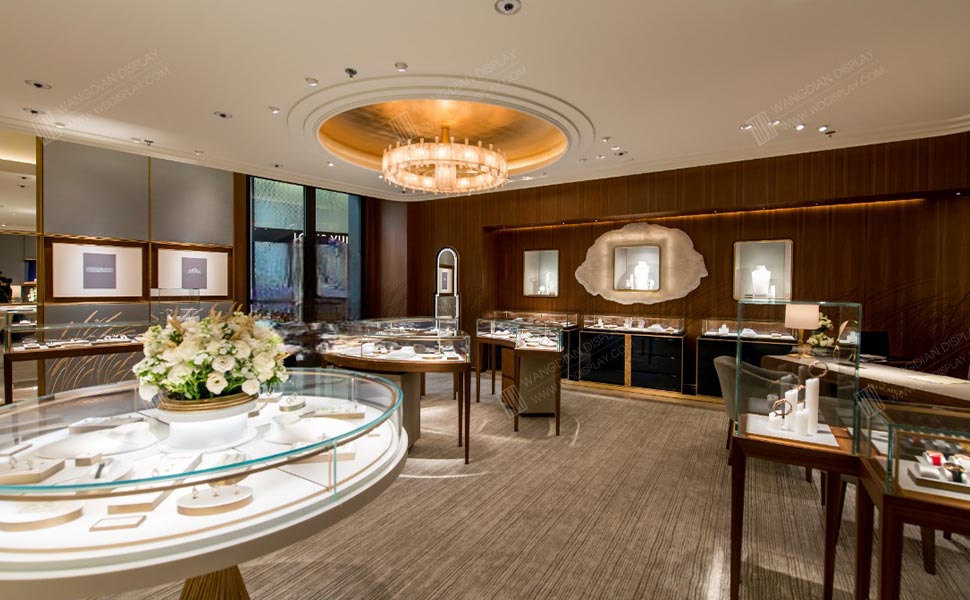
Good Design Should Feel Natural to Use
A well-planned custom jewelry showcase should not force staff to abandon practical working habits or make customers struggle to view a product. Case height, viewing angles, access, storage, and customer space should reflect the merchandise and the way the store operates.

Wangdian Display combines dedicated design and R&D capabilities with in-house manufacturing to develop customized jewelry showcases and commercial display fixtures around brand requirements, space conditions, and operational needs.
Explore Wangdian Display’s custom solutions to see how visual design can be coordinated with practical construction and functionality. The true value of a jewelry showcase is not measured only on the day it is completed. It is measured by how reliably it performs after years of daily retail use.
+86 19195580698
info@wddisplay.com
+86 19195580698